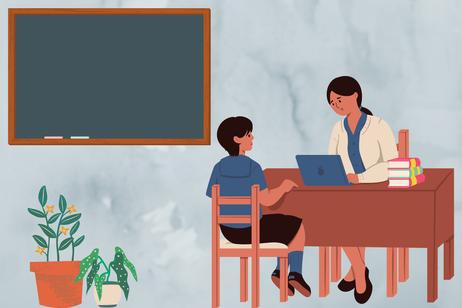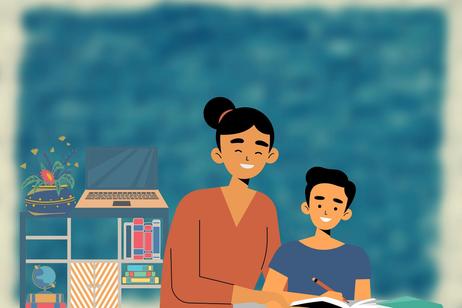
Small classes and low student-teacher ratios are among the most familiar advantages promoted by private schools. Yet those numbers do not necessarily answer a practical question that matters when a child encounters difficulty: When can your child actually sit down with a teacher and get help?
For families comparing private schools in 2026, teacher availability outside class deserves closer examination. A school may have small classes but limited opportunities for individual meetings. Another may have somewhat larger classes but protect daily periods for extra help, advisory meetings, and academic conferences.
The distinction matters because access is not simply about whether teachers are willing to help. It is about whether the school's schedule, staffing, expectations, and culture make that help realistically available.
Why Teacher Access Outside Class Matters
Students rarely need help at convenient moments. A difficult algebra concept may become apparent while completing homework. Feedback on an essay may raise questions that cannot be addressed during the next class. A student returning after an illness may need help determining what to complete first.
The identifies teacher caring and support as a contributor to school connectedness. Its guidance includes making time to talk with students, offering extra help, conducting regular check-ins, and helping students organize missed work.
Similarly, 2024 research from the emphasizes that school structures can create opportunities for consistent, individualized relationships between students and educators. The key word is structures. Good intentions