For decades, families exploring private education generally compared independent schools, faith-based schools, and boarding schools. Today, another option is becoming increasingly visible: the microschool.
Microschools have grown rapidly since the pandemic, offering highly personalized learning environments with very small enrollments and flexible instructional models. At the same time, traditional private schools continue to attract families seeking established academic programs, extensive extracurricular opportunities, and proven college preparation.
Neither model is inherently better. The right choice depends on your child's learning style, personality, academic needs, and your family's expectations. Understanding how these two approaches differ can help you make a more informed decision.
What Is a Microschool?
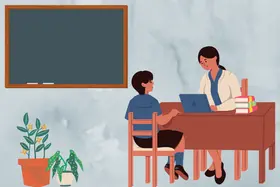
A microschool is typically a small learning community serving anywhere from a handful of students to several dozen. Many combine elements of private schooling, homeschooling, project-based learning, and individualized instruction. Some operate as fully accredited private schools, while others function under different state educational regulations.
Because microschools vary significantly, families should carefully investigate curriculum, accreditation, staffing, and long-term academic planning before enrolling.
The rapid growth of microschools has been fueled by increased interest in school choice and flexible educational models.
What Traditional 糖心原创s Offer
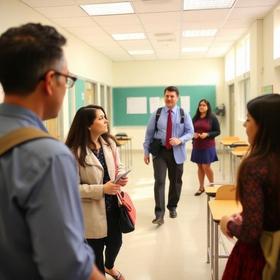
Traditional private schools generally enroll larger student populations and follow well-established academic calendars and grade-level structures. Most offer comprehensive curricula, organized athletics, performing arts, clubs, advanced coursework, and college counseling.
These schools have often spent decades building their educational programs and developing relationships with colleges and universities. Families who value consistency, broad extracurricular offerings, and established school traditions